Emergency Storm Cleanup in Centreville, MD: What to Do in the First 24 Hours After a Tree Falls
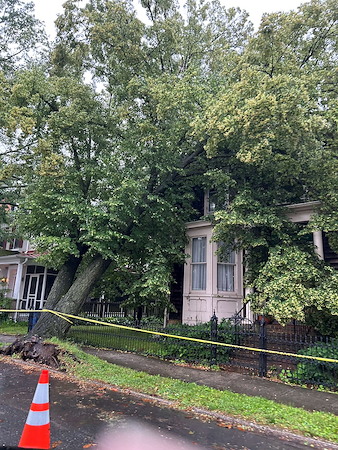
When a tree comes down in Centreville, the first day matters. Your choices set the tone for safety, insurance, and a smooth recovery. This guide explains what to do in the first 24 hours, how to document damage the right way, and how professionals remove trees safely so you can get life back to normal.
If you need fast help now, schedule emergency storm cleanup in Centreville with Collins Tree Experts or call 410-829-2799 for 24/7 response.
Your First Hour: Safety Comes First
Storm scenes can change quickly. Limbs hold hidden tension. Soil stays slick and roots can shift. Start with people and pets, then protect your home from a safe distance.
- Stay well back from any downed line. Treat all lines as live and call your utility right away.
- Keep everyone out of the fall zone. Do not walk under leaning trunks, torn branches, or damaged canopies.
- Do not climb on the tree or roof. Avoid garages, sheds, or fences touched by the fallen tree.
- Shut doors to impacted rooms if your home was struck. This helps contain glass or debris until pros arrive.
In neighbourhoods like Symphony Village and North Brook, open fields can funnel wind that leaves trees unstable even after skies clear. Patience and distance are your best tools.
Document Damage for Insurance Without Taking Risks
Insurance adjusters prefer clear, simple records. You can gather these from safe areas without moving debris yourself.
- Take wide photos first, then closer shots. Capture the full scene, the tree’s base, the point of impact, and any interior damage visible from safe spaces.
- Shoot short video walking slowly around the safe perimeter. Narrate the date, time, and which rooms or areas are affected.
- Keep a brief timeline: when the tree fell, when you called your utility, insurer, and Collins Tree Experts.
Do not move branches for a “better” photo. Pros can provide extra documentation once the site is secure.
Call the Right People in the Right Order
Quick, calm calls keep you safe and speed up claims and cleanup around Centreville, Grasonville, and Denton.
Start with life safety, then property protection:
- 911 if anyone is injured or if the tree caused structural collapse.
- Your power, gas, or internet provider if lines are down or pulled tight.
- Your homeowners insurance to open a claim and confirm photo needs.
- Collins Tree Experts for a professional assessment and safe removal plan at 410-829-2799.
For general guidance and local recovery steps, you can also visit emergency storm cleanup in Centreville, MD on our homepage to learn how we structure fast, safe response.
Emergency Storm Cleanup in Centreville, MD: How the Pros Work
Professional crews remove trees with a method that protects people first and your property next. Every step is planned before a single cut is made.
A typical process in Centreville involves four parts:
Site control. The crew establishes safe zones, checks soil stability, and scans for hidden hazards like cracked leaders and loaded limbs. They coordinate with utilities if lines are involved.
Rigging and tension checks. Damaged wood can act like a spring. Arborists test tension points and use ropes, friction devices, and cranes when needed to control each piece.
Sectioning and removal. The tree is dismantled in small, managed sections. Cuts are lowered to the ground with rigging to avoid secondary damage to roofs, gutters, or patios.
Cleanup and stabilization. Debris is chipped or hauled. If a stump remains, the team can schedule grinding later when the area is safe and dry. If a survivor tree nearby shows weakness, a follow-up visit may include pruning or structural support.
Local insight: After nor’easters or tropical remnants, soils along the Corsica River and around low-lying yards can stay saturated for a day or two. Trees may keep shifting even with light wind. Give damaged trees extra space and let trained crews secure the site before anyone goes near the area.
The First 4–12 Hours: Set the Stage for a Smooth Claim
Once the area is safe and calls are made, your focus turns to access and communication. Clear vehicles from the driveway if you can do so without entering the hazard zone. Gate codes and pet needs help crews work faster.
Share your claim number with the crew leader when they arrive. Ask for a brief summary of the plan and how they will protect siding, deck boards, and plant beds. Good crews explain the sequence before they begin and keep you updated as they work.
The Next 12–24 Hours: Removal, Debris Handling, and Follow‑Up
In most cases, the first day ends with major hazards cleared and debris managed. Chips are hauled or left as mulch per your preference. If there is roof or fence damage, your contractor or insurer can advise on temporary stabilization. Your tree service can coordinate their timing so no one works below an unsafe canopy.
If the fallen tree exposed hidden issues in nearby trees, your crew may suggest a short follow-up visit. Selective pruning and structural support reduce the chance of repeat damage when strong wind hits Centreville again.
What Pros Look For in Centreville’s Trees
Our region sees fast-moving summer thunderstorms and winter systems that push moisture into the ground. On the Eastern Shore, that mix loosens roots and stresses long, heavy limbs. Common failure patterns include shallow root plates tilting after heavy rain, snapped co-dominant stems, and “hanger” limbs that lodge high in the canopy.
If a favorite shade tree survived but looks stressed, a pro may recommend light structural pruning or strategic support. Learn how support systems protect weak attachments by visiting our page on tree cabling and bracing.
Smart Insurance Prep Without DIY Hazards
Centreville homeowners often ask what to gather for smoother claims. Keep it simple and safe:
- Your policy number, claim number, and preferred contact method.
- Wide photos and brief videos from safe positions only.
- Any receipts for emergency services and temporary repairs done by licensed pros.
Do not attempt removal, cutting, or tarping yourself. These tasks put you at risk and can complicate claims if something goes wrong. Licensed crews provide the documentation insurers expect and keep the scene controlled.
Why Local Matters After a Storm
Local crews know Centreville’s access points, common species, and how wind funnels around open fields and waterfronts. That knowledge saves time and reduces damage during removal. It also helps with practical details like positioning mats to protect lawns and choosing the right chipper path so cleanup is faster.
Working with a trusted local team means clear communication, steady updates, and a clean finish. Financing options may be available if your project qualifies, which many homeowners appreciate after surprise storm events.
Be Ready Before the Next System Rolls Through
After the urgent work is done, plan for prevention. A simple annual check can catch small issues long before they become a threat to your roof or driveway. Targeted pruning reduces weight on overextended limbs, and support systems protect weak unions. If a tree is too compromised, safe removal and stump grinding open space for a stronger landscape next season.
Get Safe, Professional Help Today
Storm damage is stressful, but you do not have to handle it alone. Call Collins Tree Experts at 410-829-2799 to talk with a friendly coordinator now. For fast response and careful cleanup, schedule local emergency storm cleanup and get your property in Centreville, MD back to safe and tidy—without taking risks you do not need to take.