How to Protect Your Trees During the Current Drought
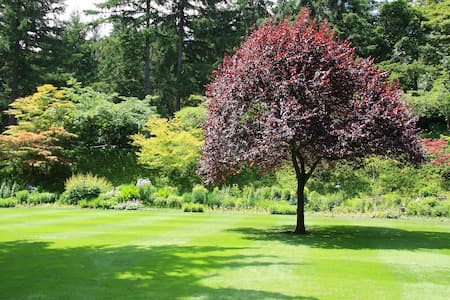
Much of Maryland's Eastern Shore and the surrounding Delmarva region is currently experiencing severe drought conditions, placing significant stress on both mature and newly planted trees. If you've noticed leaves dropping early, browning around the edges, thinning canopies, or branches beginning to die back, your trees may already be feeling the effects.
Unlike turfgrass, trees often don't show signs of drought stress until the damage has already begun. By the time symptoms become visible, a tree may have been struggling for weeks or even months. Fortunately, there are steps property owners can take now to help protect their landscape and improve tree health before permanent damage occurs.
What Is Drought Stress?
Drought stress occurs when trees lose more moisture than they can absorb from the soil. During extended periods without adequate rainfall, the ground dries out beyond the reach of many tree roots. Combined with high temperatures, low humidity, and windy conditions, trees become increasingly stressed as they struggle to supply enough water to their leaves and branches.
Even large, mature trees are vulnerable during prolonged droughts. While established trees have deeper root systems than younger trees, they still rely on consistent soil moisture to remain healthy. As drought conditions continue, trees become weaker and more susceptible to insects, diseases, and long-term decline.
Signs Your Tree May Be Experiencing Drought Stress
Many homeowners assume trees simply "go dormant" during hot weather. In reality, drought stress can cause several warning signs that should not be ignored.
- Leaves turning brown around the edges (leaf scorch)
- Premature leaf drop during summer
- Wilting or curling leaves
- Sparse canopy or thinning foliage
- Small or undersized leaves
- Dead twigs or branch dieback
- Cracks developing in the bark
- Increased insect or disease activity
Once a tree becomes stressed, it is far more susceptible to secondary problems such as boring insects, fungal diseases, and decay organisms that take advantage of weakened trees. This makes early intervention especially important.
Which Trees Are Most Susceptible?
While any tree can suffer during extended drought, some species commonly found throughout Maryland's Eastern Shore and Delaware are especially vulnerable.
Young Trees
Trees planted within the last three to five years have limited root systems and depend heavily on supplemental watering during dry periods.
Dogwoods
Flowering dogwoods often struggle during prolonged drought and can quickly develop leaf scorch and branch dieback.
Red Maples
Red maples require consistent soil moisture and commonly exhibit early fall color, leaf scorch, and premature leaf drop during drought.
River Birch
River birch naturally thrives in moist soils and may decline quickly when exposed to prolonged dry conditions.
Tulip Poplar
These fast-growing shade trees are known for showing drought stress through yellowing leaves, browning leaf margins, and early leaf drop.
Japanese Maples
These ornamental favorites are particularly susceptible to heat and drought, often developing scorched foliage during extended dry weather.
Shallow-Rooted Ornamentals
Many flowering ornamentals and shrubs have shallow root systems that dry out quickly during periods of limited rainfall.
Even drought-tolerant species such as many oaks can suffer when drought conditions persist for extended periods, particularly if they are already weakened by construction damage, compacted soil, or disease.
How to Properly Water Trees During a Drought
One of the biggest mistakes homeowners make is watering too frequently for only a few minutes. Light watering only wets the surface of the soil and encourages shallow root growth, making trees even more vulnerable to future drought.
Instead, trees benefit from slow, deep watering that allows moisture to soak well into the root zone where the majority of absorbing roots are located.
For Mature Trees
- Water deeply once every 7 to 10 days when rainfall is limited.
- Apply approximately 10 to 15 gallons of water per inch of trunk diameter each week, including rainfall.
- Slowly soak the soil beneath the canopy, extending outward toward the drip line.
- Avoid frequent shallow watering.
For Newly Planted Trees
- Water two to three times each week during extended dry periods.
- Keep the root ball consistently moist without allowing standing water to develop.
- Monitor soil moisture regularly, especially during periods of extreme heat.
As a general rule, if your property has not received approximately one inch of rainfall during the week, supplemental watering is recommended.
Adding two to four inches of mulch around the base of your trees also helps retain soil moisture, regulate root temperatures, and reduce evaporation. Just be sure to keep mulch several inches away from the trunk to prevent decay and pest issues.
Why Drought Damage Often Doesn't Appear Until Later
One of the most frustrating aspects of drought stress is that trees don't always decline immediately. Many appear relatively healthy throughout the summer, only to develop dead branches, sparse foliage, or fail to leaf out properly the following spring.
That's because drought weakens a tree's internal energy reserves. Once stressed, trees become increasingly vulnerable to insects, diseases, harsh winter weather, and additional environmental stress. The damage you're seeing next year may actually be the result of this year's drought.
Professional Products Can Help Drought-Stressed Trees Recover
Proper watering is the first and most important step, but during severe drought conditions, many trees benefit from professional plant health care products that improve root development, increase nutrient availability, and help reduce environmental stress.
At Collins Tree Experts, we offer professional treatments designed to support trees during periods of prolonged drought. Depending on the condition of your trees, our ISA Certified Arborists may recommend products that encourage healthier root systems, improve soil conditions, and enhance your tree's ability to recover from drought stress.
Many of these treatments can be applied now while trees are actively experiencing drought conditions. Additional applications this fall can further strengthen root systems before winter dormancy, helping trees recover from this year's drought and reducing the risk of significant decline or tree loss next season.
Every landscape is unique, so we evaluate each tree individually before recommending the most appropriate treatment plan for your property.
Our Plant Health Care Services
As part of our comprehensive Plant Health Care program, Collins Tree Experts offers services designed to help trees remain healthy throughout changing environmental conditions.
- Deep root fertilization
- Root zone enhancement
- Soil conditioning
- Plant health care evaluations
- Preventive insect and disease management
- Ongoing tree health monitoring
Combining these treatments with proper watering practices gives your trees the best opportunity to recover from drought and continue thriving for years to come.
Don't Wait Until It's Too Late
Unfortunately, many drought-related tree deaths aren't discovered until months after the drought has ended. Waiting until large limbs begin dying or leaves fail to return next spring often limits available treatment options.
If your trees are showing signs of drought stress, now is the ideal time to have them evaluated by a certified arborist. Early intervention can often make the difference between a tree that recovers and one that requires removal.
Schedule a Tree Health Evaluation
Collins Tree Experts has proudly served homeowners and businesses throughout Maryland's Eastern Shore, including Easton, Centreville, Chestertown, Grasonville, Kent Island, Cambridge, Denton, Ridgely, Annapolis, and nearby Delaware communities. Our ISA Certified Arborists specialize in tree care, pruning, removals, plant health care, and proactive treatments that help protect your valuable landscape investment.
If you're concerned about drought stress affecting your trees, contact Collins Tree Experts today. We'll evaluate your landscape, recommend the appropriate watering and treatment plan, and help your trees recover from this year's drought while preparing them for healthier growth in the seasons ahead.