Signs a Tree Needs to Come Down in Easton, MD: 9 Red Flags for Safe Tree Removal
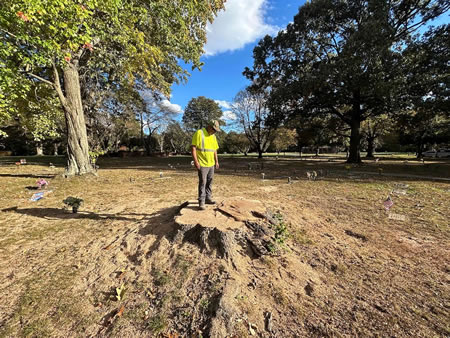
If you’re worried about a tree near your home, trust your gut. In Easton, MD, wind off the Chesapeake and saturated spring soils can turn small problems into big hazards. Below are the top warning signs that often lead to professional tree removal, plus why catching them early protects your home, vehicles, and family.
How To Tell When a Tree Needs Removal in Easton, MD
Some trees can be saved with careful pruning or cabling. Others are too risky to leave standing. The nine signs below focus on safety, not looks. If you notice one or more, it’s time to have a certified arborist evaluate the tree before the next thunderstorm or nor’easter rolls through.
The 9 Red Flags Homeowners Miss
1) Sudden Lean or a New Tilt
A quick change in posture after heavy rain or wind is a serious warning. The root system may have shifted or failed. Treat a new lean as urgent, especially if it points toward a house, driveway, or play area.
2) Fresh Soil Mounding and Root Heave
Look at the ground on the “opposite” side of a lean. If you see new mounds, cracked soil, or gaps opening at the base, the root plate could be lifting. On the Eastern Shore, soaked soils can weaken anchors fast. Do not walk under or around a tree showing fresh heave.
3) Deep Trunk Cracks or Splits
Vertical cracks, long seams, or a visible split at a fork are red flags. They can run deeper than they look and may separate under wind load. Trees with old topping cuts or co-dominant stems are especially prone to this kind of failure.
4) Mushrooms or Conks at the Base
Fungal growth on the lower trunk or root flare often points to internal decay. Even if the canopy still has leaves, the wood that matters for strength could be compromised. With decay, failures are sudden and unpredictable.
5) A Large Dead or Thinning Canopy
When big sections of the crown are bare or the leaves stay small and sparse, the tree might be in irreversible decline. Over time, deadwood dries out and snaps without warning, especially above driveways and patios in neighborhoods like Easton Club, Cooke’s Hope, and Mulberry Station.
6) Hollow, Soft Spots, or Wood Dust
Hollow sounds when tapped, soft or spongy wood, and piles of sawdust-like material can signal internal cavities or insect activity. Carpenter ants don’t usually start decay, but they love to move into it. That’s a risk sign, not a cleanup chore.
7) Compromised Roots From Construction or Trenching
Recent driveway work, utility trenching, or patio installs within the drip line can cut major roots. The damage may be hidden for a season, then show up as a lean, dieback, or crown thinning. Root damage is one of the top causes of sudden tree failure.
8) Storm Wounds and Hanging Limbs
After a summer squall or a winter nor’easter, look for torn branch stubs, bark ripped down the trunk, or limbs hung up in the canopy. These stress points concentrate weight and can break loose in the next wind.
9) High Targets: Over Homes, Lines, or Gathering Spaces
A marginal tree becomes dangerous when it towers over bedrooms, decks, parking areas, or play spaces. Risk isn’t just about what the tree looks like. It’s also about what it could hit if it fails.
Why Easton Trees Fail More After Storms
Across Talbot County communities like Downtown Easton, Trappe, St. Michaels, and Oxford, trees face strong gusts funneled across open fields and creeks. Loblolly pines, red maples, and pin oaks can sail out in high winds if they carry too much weight on one side or have weak attachments. When tides push moisture inland and soils stay soggy, roots lose grip and even healthy-looking trees can shift.
After wild weather, many hidden hazards show up days later. For a deeper checkup that looks beyond the obvious, see our guide to post-storm tree assessments.
When Removal Is the Right Call
Removal is about safety, not defeat. If an arborist finds advanced decay, failed roots, or cracks through the trunk, taking a tree down can be the only responsible choice. In some cases, trees near busy sidewalks, school bus stops, or driveways carry higher risk even if they look fine from the street. That’s why location matters as much as condition.
Sometimes the better option is targeted pruning to reduce weight and remove hazards while preserving the tree you love. If an inspection suggests that, our team may recommend professional pruning services as a safer, long-term plan.
What To Watch For After Heavy Rain or Wind
Quick visual checks can help you spot early risk so you know when to call in a pro:
- new cracks in soil around the trunk or freshly heaved areas
- fresh bark splits on the trunk or large limbs
- mushrooms or conks at the base that weren’t there last season
- hanging branches lodged high in the canopy
If you notice any of these, keep your distance. Do not try to knock down a stuck limb or “test” a hollow trunk. A trained crew has the tools and safety systems to handle it.
What Happens When You Call Collins Tree Experts
We start with a safety-first inspection that focuses on structure, roots, and nearby targets. If the tree is unsafe to keep, we plan a controlled removal that protects your home, fencing, and hardscape. Our crews set clear drop zones, use the right rigging for tight spaces, and clean up fully so your property is ready for normal life again.
Some neighborhoods or associations may have guidelines about trees. Requirements vary by area and situation. Our team can advise you on typical steps and help you plan the work appropriately without surprises.
Looking for a trusted local partner for tree removal in Easton, MD? You’ll get clear communication, careful protection of lawns and driveways, and a safety-focused approach from start to finish.
Real-World Examples Around Town
Here on the Eastern Shore, we see patterns that repeat. Pines with heavy tops near open fields lean after a wet, windy week. Mature maples with tight forks crack above driveways. Oaks with old storm wounds host decay fungi at the base. These aren’t cosmetic issues. They are structural red flags that need professional attention before the next front blows through.
If an inspection confirms high risk, we’ll schedule tree removal and coordinate logistics so the work goes smoothly and safely for you and your neighbors.
Can a Risky Tree Be Saved Instead?
Sometimes, yes. Lightening the canopy or removing specific limbs can lower wind load. In a few cases, support systems like cabling and bracing help stabilize weak forks. But when decay eats away strength or roots have shifted, the safest plan is removal and replanting with a species that fits the site better.
- keep the right tree in the right place to avoid future conflicts with roofs and driveways
- schedule periodic inspections after major storms to catch changes early
If you’re ever unsure, err on the side of safety. A quick check from an expert beats a risky guess.
Ready To Make a Risky Tree Safe in Easton?
If you’ve spotted one of these red flags, don’t wait for the next wind event. Talk to Collins Tree Experts about a safety-first plan that protects your home and peace of mind. For fast help, call 410-829-2799 or use our site to schedule professional tree removal today.