Stump Grinding vs. Stump Removal: Which Is Better for Your Yard?
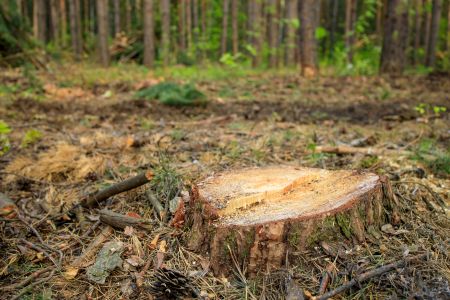
If you have a leftover stump after a tree comes down, you have two main choices: stump grinding or stump removal. Both get the obstacle out of your way, but they solve different problems. In Centreville, MD, most homeowners pick stump grinding because it is fast, tidy, and gentle on the yard. Others choose full removal when they plan new construction or need the entire root ball gone. This guide breaks down what happens with each option, how long it takes, what cleanup looks like, and when it is smart to replant.
What Each Method Actually Does
Stump grinding uses a specialized machine to chew the stump below the surface, usually far enough to let you level and landscape. The grinder turns the wood into mulch-like chips. Roots beyond the stump stay in the ground and naturally break down over time.
Stump removal is excavation. Crews dig and lift the stump and root ball out of the soil. This clears the space completely but leaves a larger hole that must be backfilled and settled. Removal typically needs bigger equipment and more access.
Think of grinding as shaving the stump out of sight. Think of removal as pulling the whole tooth, roots and all.
How Long Each Option Takes In Centreville, MD
Timelines depend on stump size, access, soil moisture, and what sits nearby. On most Centreville lots, grinding a single average stump is a short visit. Multiple stumps or tight, fenced spaces take longer because the crew needs to work carefully around gates, sheds, patios, or garden beds.
Removal takes longer than grinding because crews must expose the root flare, separate the root mass, lift it out, and then backfill. If the root ball is next to a driveway, retaining wall, or septic feature, plan for added time to protect those areas and stage soil.
Regrowth Risk and Yard Health
Many homeowners worry a ground stump will “come back.” Here is the simple truth: grinding rarely sparks regrowth in our local species once the trunk is reduced and the site is leveled. You may see a few small shoots from larger roots if the original tree was vigorous, but those sprouts fade with routine mowing and shade. Full removal eliminates the entire root system, so no regrowth is expected.
In terms of yard health, grinding is gentle on soil structure because there is minimal digging. Removal disturbs a wider footprint, which is fine when you need a clean slate for hardscaping or a foundation but more than most lawns need for everyday landscaping.
Cleanup: What You Should Expect
Grinding leaves you with a pile of wood chips mixed with a little topsoil. That material is handy for backfilling the depression and spreading as mulch. The area settles over a few weeks as chips and soil compact. With removal, expect a larger hole that must be filled and graded. Settling can happen here too, so plan for a light top-off after a good rain or two.
Expect a visible mound of chips right after grinding. As the mound settles, you can add a thin layer of soil and seed to blend the spot into the lawn. If you are planning pavers, a play set, or a shed, full removal gives you a cleaner base to compact and build on.
Can You Replant in the Same Spot?
You can always plant near the old stump. The question is whether to plant in the exact hole. After grinding, the remaining chips break down and borrow nitrogen from the soil for a while. That is normal. To help a new plant thrive, rake out most of the chips, add native topsoil, and mix in compost before you seed or plant nearby. Many homeowners in Queen Anne’s County pick a new spot a few feet away and save the original spot for lawn or mulch the first season.
With full removal, you have a fresh hole to fill with matching topsoil. That gives roots a clean start. Even then, do not rush replanting in the exact same spot if the soil is loose or uneven. Give it time to settle or compact the backfill in lifts so your new tree does not lean.
When Stump Grinding Is the Better Choice
- You want a fast fix with minimal yard disturbance.
- Access is tight and you want to protect turf, irrigation, or edging.
- You are planning lawn, mulch, or perennials rather than a new tree in the exact hole.
- The stump is close to patios, walkways, or fences you do not want disturbed.
When Full Stump Removal Makes More Sense
- You are pouring a small pad, expanding a driveway, or preparing a foundation.
- The stump sits where you must replant a tree in the same spot right away.
- You need to eliminate larger structural roots that conflict with future hardscape.
- Storm damage left a shallow stump with a loose root ball that is easy to extract.
Local tip: Many Centreville yards have hidden drip lines, low-voltage lighting, or pet fence wire near old trees. Mark what you know about private lines and point them out during your estimate so the crew can protect them. Utility locates are part of safe planning before any stump work begins.
Local Factors on Maryland’s Eastern Shore
Soils around Centreville tend to be sandy loam to silt loam, which drain well. That is good news for stump grinding, because drier ground means cleaner chips and less mess. After a summer thunderstorm or a fall nor’easter, soil can be soft for a day or two. Crews will schedule carefully to avoid ruts and protect turf.
Storms along the Corsica River and open areas near farm fields can topple pines and softwoods. Grinding is a smart follow-up once the tree is removed so roots do not heave lawn panels or snag mower blades. If a mature oak or poplar failed and left buttress roots beneath a future patio, that is when full removal becomes a better long-term play.
What About Replanting Plans?
Replanting is easier when you match the method to your goals. If you want grass to meet the old tree ring, grinding gives you the simplest path. If your vision is a young shade tree in that exact center point, removal plus a deliberate soil rebuild is the cleanest approach.
In either case, think about sun, wind, and room to grow. Many Centreville homeowners shift a replacement tree a few feet to the side to gain straight sun or to avoid overhead lines. That small move can improve health and reduce pruning later.
How Collins Tree Experts Handles the Work
From the first look to the final rake, our team focuses on safety, communication, and a tidy finish. We protect nearby surfaces, work with steady control around landscape features, and keep the project moving so your yard is usable again as soon as possible. If grinding is the right fit, we’ll guide you on what to do with the chips and how to level the area. If removal is smarter, we’ll plan for clean excavation, careful backfilling, and grading that sets you up for your next step.
Curious which option fits your yard best? Browse our Centreville-focused overview of our stump grinding service to see how the process works and how we leave your space ready for landscaping.
If the original tree was diseased or prone to sprouting, we will explain how that changes the plan. Some species decompose faster. Others may send up small shoots here and there. Routine mowing, sun exposure, and healthy turf usually end those sprouts quickly without special treatment.
How This Compares to Tree Removal
Tree removal and stump work are closely linked. Many homeowners in Centreville first schedule tree removal and then call back later for the stump. Doing both close together saves time and limits how long you have to work around a tripping hazard. When you are still deciding about the tree itself, our team can help you weigh health, risk, and placement. Learn more about safe, professional tree removal if you are planning the full project.
What Your Timeline Might Look Like
Here is a simple view of how a typical project flows after you approve the work:
Site review and scheduling: we confirm access, note private lines, and set the service window with weather in mind. Dry ground protects your lawn and leaves a neater finish.
Service day: the crew stages boards or mats where needed, completes grinding or removal, and tidies the work zone. For grinding, the surface is leveled so you can seed or mulch. For removal, the hole is backfilled and raked smooth so it can settle evenly.
Aftercare: expect a bit of settling. A light top-off with matching soil and grass seed blends the area into your lawn. If you plan hardscape, schedule compaction when the ground is ready.
The Bottom Line for Centreville Homeowners
Pick stump grinding when you want speed, less disruption, and a clean lawn-ready surface. Pick full removal when you need a root-free base for a structure or you intend to plant a tree right in the same spot. Both options solve the eyesore and safety risk. The right one depends on what you will do with the space next.
For homeowners comparing options in and around North Brook, the historic district, or properties near the schools and parks, a quick conversation helps lock in the best plan. Visit stump grinding on our website to see how Collins Tree Experts supports projects across the Eastern Shore, then tell us what you want the space to become.
Ready To Reclaim Your Yard?
If you are staring at a stump and want a smooth lawn or a clean base for a future project, we are ready to help. Explore the details on our stump grinding page, or call 410-829-2799 to talk with a friendly pro at Collins Tree Experts about your goals for your Centreville property.